Suunnittelemme tiloja, joiden arvo säilyy pitkään. Se tarkoittaa aikaa kestävää estetiikkaa, harkittua materiaalien käyttöä ja ympäristöjä, jotka pystyvät mukautumaan muutokseen. Kestävyys ei meille tarkoita varovaista tai persoonatonta suunnittelua. Tilan pitää voida olla tunnistettava, kiinnostava ja vahva.
Uskomme, että hyvä suunnittelu kestää aikaa, kun ratkaisut perustuvat todellisiin tarpeisiin ja niillä on tarkoitus. Vastuullisuus on olennainen osa suunnitteluprosessiamme alusta lähtien. Se ohjaa jokaista päätöstä: mitä säilytetään, mitä uudistetaan ja mitä suunnitellaan uutena.
Osallistava suunnittelu ja tiivis yhteistyö asiakkaan sekä hankkeen muiden asiantuntijoiden kanssa auttavat löytämään parhaat ratkaisut. Voidaanko olemassa olevia tiloja hyödyntää paremmin? Mitä kannattaa säilyttää, ja missä uusi ratkaisu tuo todellista lisäarvoa?
Kun nämä kysymykset otetaan mukaan suunnitteluun riittävän varhaisessa vaiheessa, voidaan vaikuttaa merkittävästi sekä tilojen toimivuuteen että hankkeen ympäristövaikutuksiin. Samalla syntyy ratkaisuja, jotka kestävät aikaa, palvelevat käyttäjiään pitkään ja mukautuvat toiminnan muuttuessa.
Tilojen elinkaaret ovat pitkiä, mutta käyttäjien tarpeet voivat muuttua nopeasti. Siksi suunnittelemme ympäristöjä, jotka mukautuvat uusiin tilanteisiin ilman laajoja muutostöitä. Muuntojoustavuus, pitkäikäiset materiaalit, korjattavat ratkaisut ja harkitut hankinnat pidentävät tilojen käyttöikää ja vähentävät tarvetta jatkuville uudistuksille.
Tulevaisuuden ennakointi on olennainen osa hyvää suunnittelua. Vaikka emme voi tietää, miten tiloja käytetään vuosien päästä, voimme luoda ratkaisuja, jotka antavat niille mahdollisuuden muuttua ja kehittyä ajan mukana.
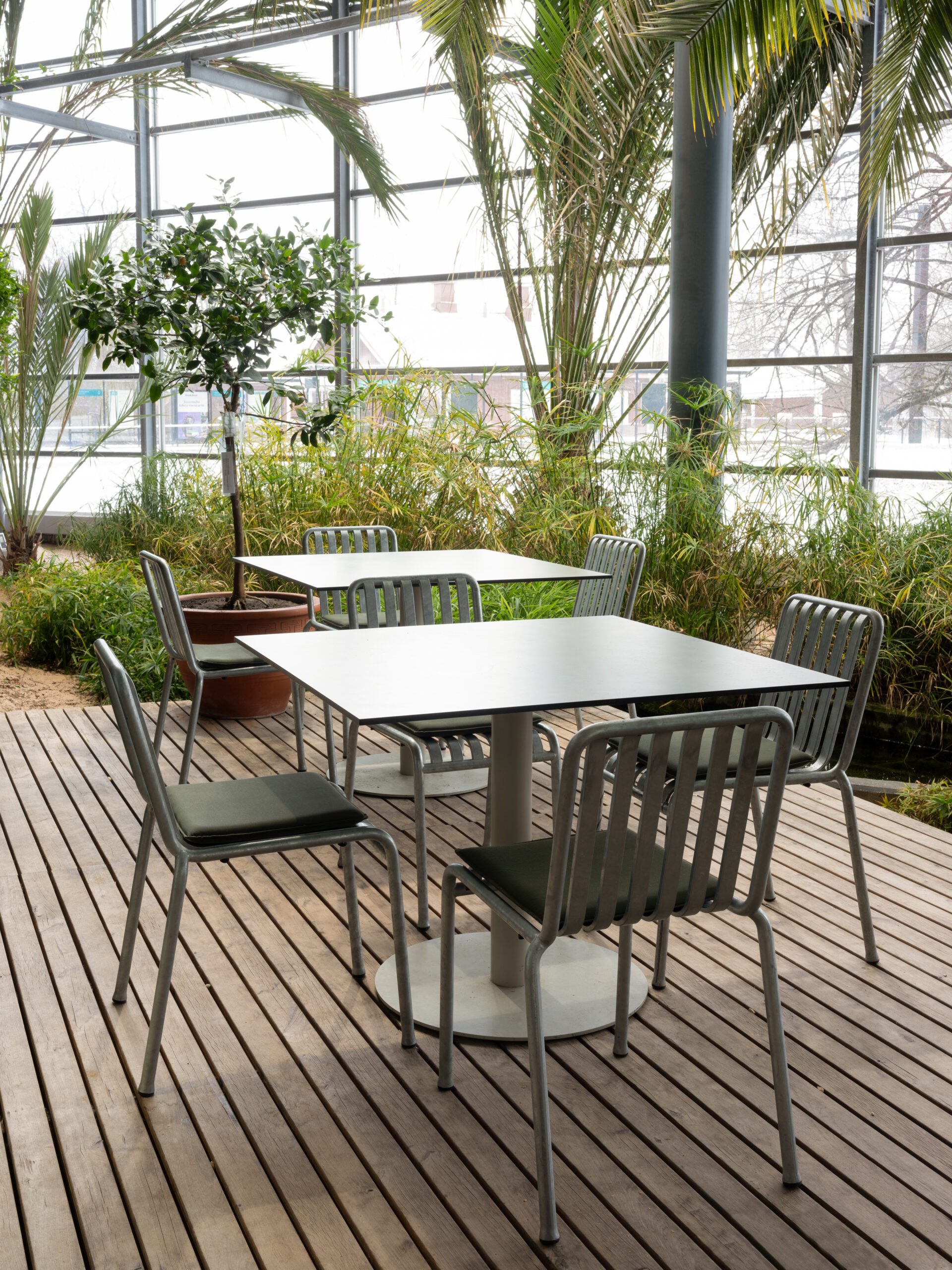
Ennen uuden suunnittelua tutkimme, mitä tilassa jo on ja miten sitä voidaan hyödyntää. Kalusteita voidaan kunnostaa, materiaaleja käyttää uudelleen ja olemassa oleville elementeille löytää uusi tarkoitus.
Elinkaariajattelua tukee työssämme kiertotalouden 9R-malli. Se ohjaa etsimään vaihtoehtoja uuden hankkimiselle ja pidentämään tuotteiden ja materiaalien käyttöikää: tarpeettoman hankinnan välttämistä, olemassa olevan uudelleenkäyttöä, korjaamista, kunnostamista ja materiaalien hyödyntämistä uudessa tarkoituksessa.
9R-ajattelu auttaa tarkastelemaan tilaa ja sen materiaaleja kokonaisuutena jo suunnittelun alkuvaiheessa. Mitä voidaan säilyttää sellaisenaan? Mitä voidaan korjata tai muokata? Voidaanko jotakin käyttää uudelleen muualla? Vasta tämän jälkeen arvioimme, mitä todella tarvitaan uutena.
Kaikkea vanhaa ei ole tarkoituksenmukaista säilyttää. Olennaista on tunnistaa, missä olemassa olevalla on arvoa ja missä uusi ratkaisu palvelee kokonaisuutta paremmin.
Materiaalin kauneus ei yksin riitä. Sen on toimittava ympäristössä, johon se valitaan.
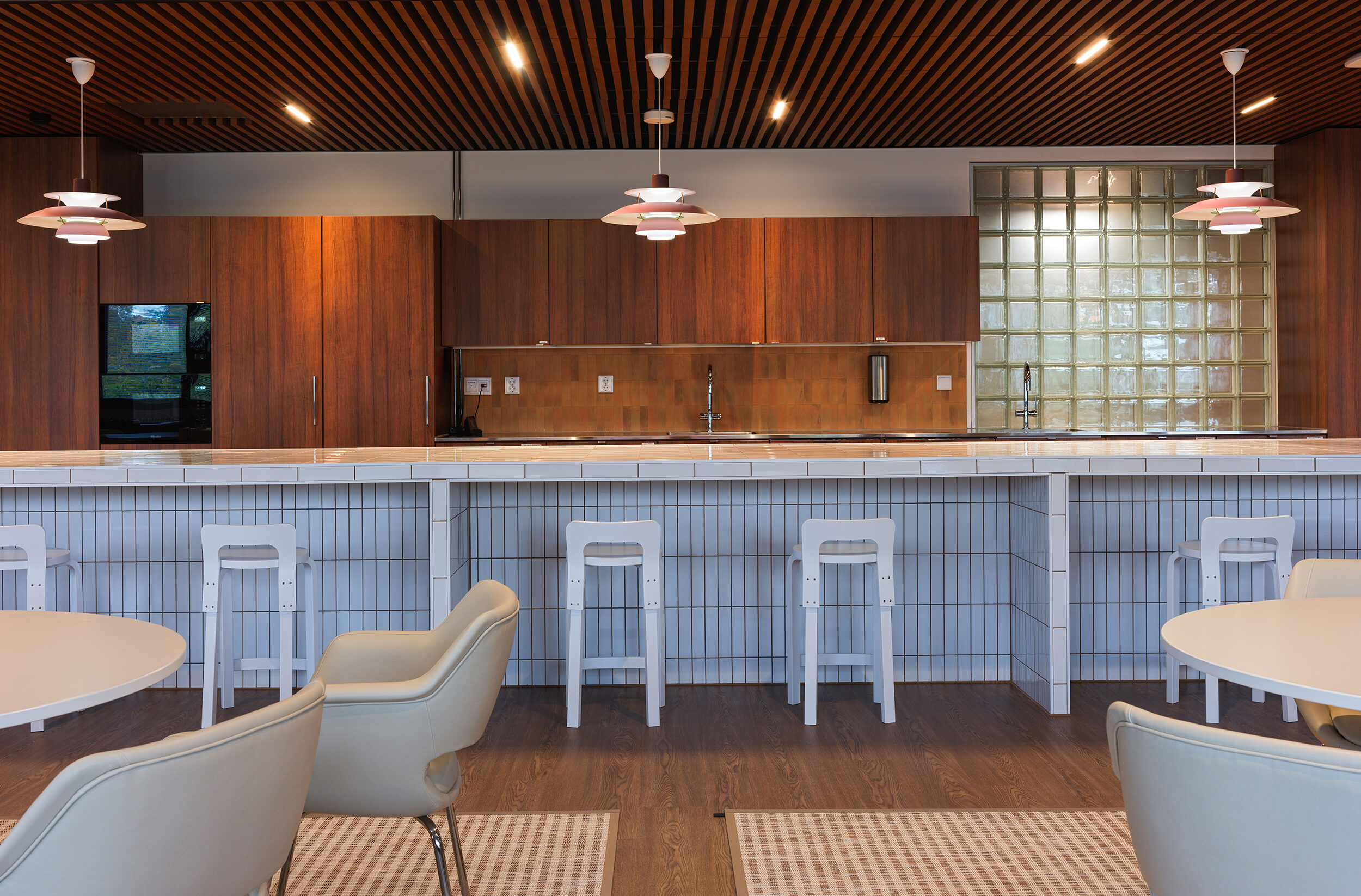
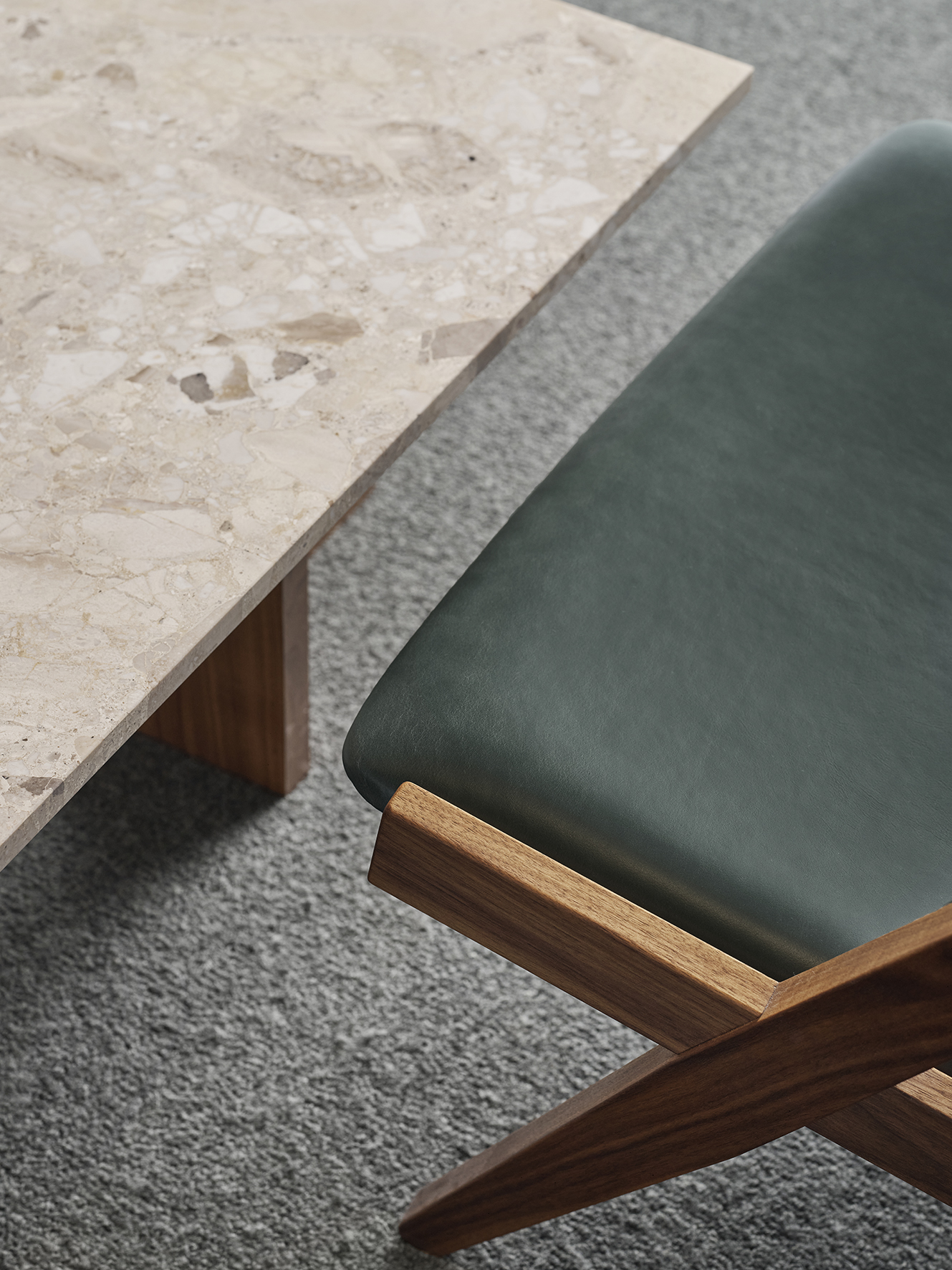
Julkisissa tiloissa, hotelleissa ja työympäristöissä materiaalien tulee kestää sekä käyttöä että aikaa. Estetiikan lisäksi arvioimme niiden käyttöikää, huollettavuutta, korjattavuutta, kierrätettävyyttä ja alkuperää. Tavoitteemme on valita materiaaleja, jotka säilyttävät arvonsa mahdollisimman pitkään ja joita voidaan huoltaa, korjata tai hyödyntää uudelleen myös tulevaisuudessa.
Materiaalituntemus on keskeinen osa osaamistamme. Seuraamme aktiivisesti uusien materiaalien, valmistusmenetelmien ja kiertotalousratkaisujen kehitystä sekä etsimme jatkuvasti tapoja hyödyntää niitä käytännön suunnittelutyössä.
Kiertotalous ei tarkoita meille pelkästään materiaalien säästämistä. Parhaimmillaan se toimii uudenlaisen suunnittelun ja muotoilun lähtökohtana.
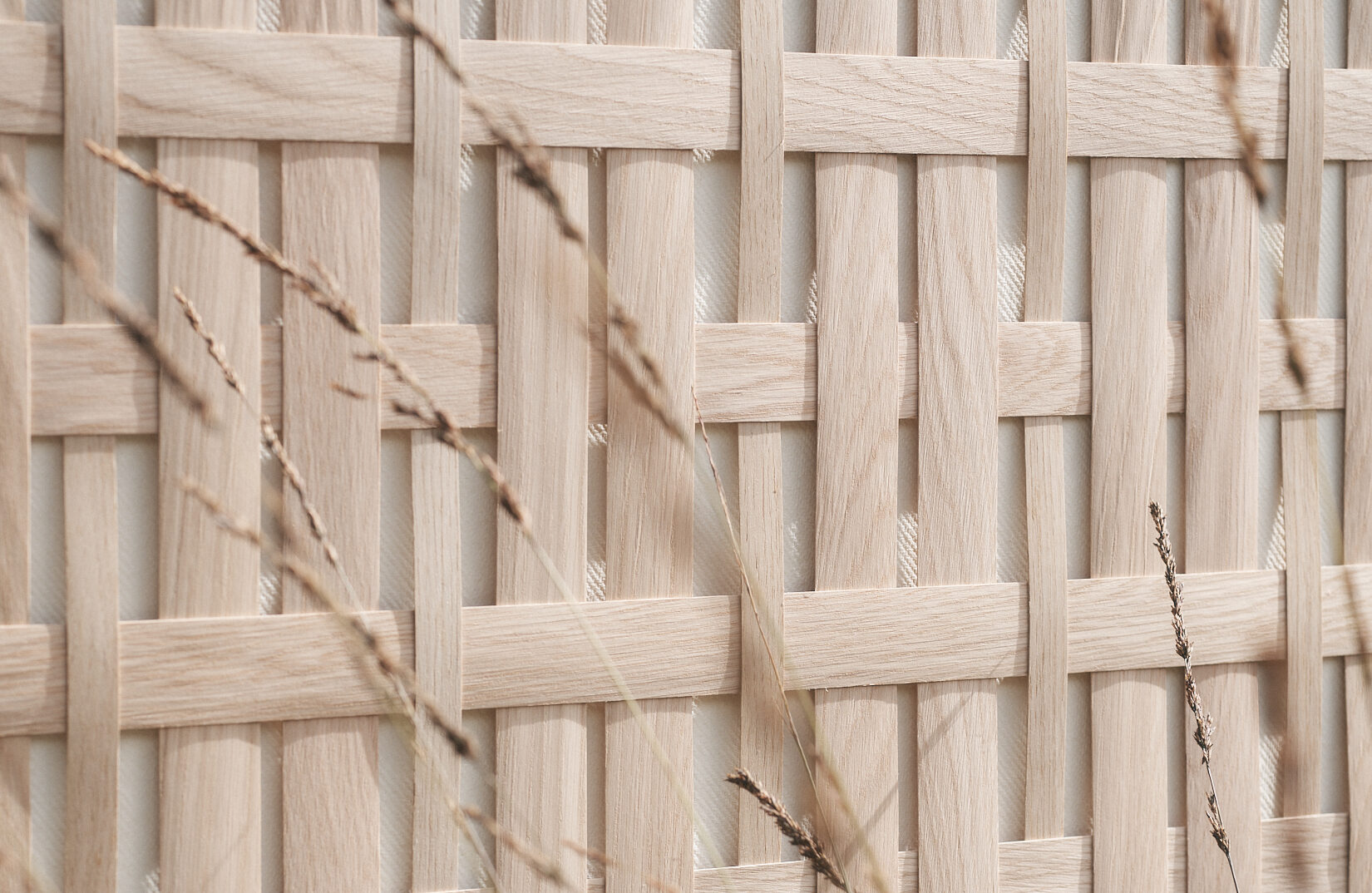
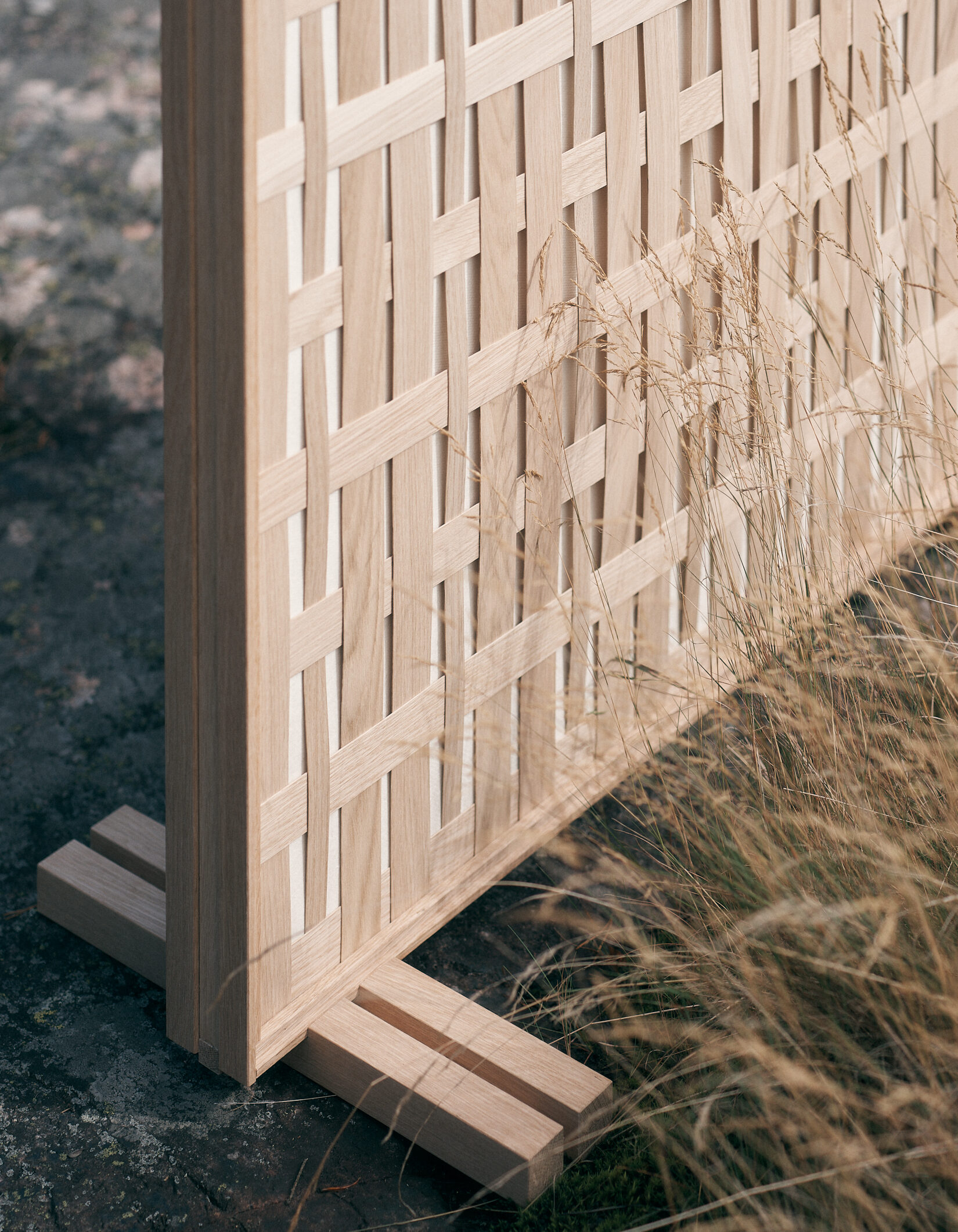
Yhdessä Niimaarin kanssa kehittämämme Tyyne-sermi on tästä hyvä esimerkki. Sen käsin punottu pinta valmistetaan Swan-purjeveneiden sisustuksesta ylijäävästä tammiviilusta, ja akustiikasta vastaavat suomalaisesta puukuidusta valmistetut akustiikkalevyt. Tyyne yhdistää kiertotalouden, suomalaisen käsityötaidon ja korkeatasoisen muotoilun tavalla, jossa sivuvirtamateriaalit ovat lähtökohta eivätkä kompromissi.
Vastuullinen suunnittelu edellyttää jatkuvaa oppimista. Materiaalit, valmistusmenetelmät, kiertotalouden mahdollisuudet ja rakentamisen ympäristövaikutuksiin liittyvä tieto kehittyvät jatkuvasti, ja niin kehittyy myös osaamisemme. Seuraamme aktiivisesti alan kehitystä ja etsimme jokaisessa projektissa ratkaisuja, joilla voidaan aidosti vähentää ympäristövaikutuksia ja luoda pitkäikäistä arvoa.
Meille vastuullisuus on erottamaton osa hyvää suunnittelua. Tavoitteemme on luoda tiloja, jotka toimivat, tuntuvat merkityksellisiltä ja säilyttävät laatunsa sekä arvonsa pitkälle tulevaisuuteen.